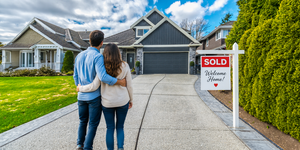
Like any promising tale, your home sale journey starts with great potential: a beautiful property that's been carefully prepared, the nooks and crannies have been cleaned, and the listing photos turned out stunning. All that’s left to do is hope that the right buyer will come along pretty quickly. But one frightening mistake can rewrite all this: pricing your home too high.
Soon, showings slow to a trickle, and online interest fades. Buyers seem to vanish into thin air, and what should have been an exciting fairy tale home sale turned into a real estate nightmare. Everything starts to feel strangely quiet, and before long, the listing became a haunted story simply because of an asking price that scared away many potential buyers.

The dangers of overpricing your home for sale
Setting a higher asking price for your home may seem like a smart way to leave room for negotiation, but pricing affects much more than the final number you hope to receive. It influences which buyers find the property, how it compares with competing listings, and whether buyers believe the value justifies scheduling a showing.
The strongest pricing strategies balance a seller's financial goals with current market conditions. When your asking price moves too far beyond what comparable homes and buyer demand support, a listing can lose momentum during the period when it should be attracting the most attention.

Every property has a natural group of potential buyers based on its location, condition, size, features, and market value. Pricing significantly above that range can make it harder for some of those buyers to discover or seriously consider your home.
For example, your home has comparable sales and current market conditions that could reasonably be positioned around $400,000, but you decide to list it at $450,000. Buyers who cap their online searches at around $425,000 may miss your property. At the same time, those who are shopping closer to $450,000 may be comparing it with homes that offer more prominent features, finishes, or a better location. The numbers are only illustrative, but the underlying issue is real: pricing can affect both visibility and how buyers compare your property with its competition.
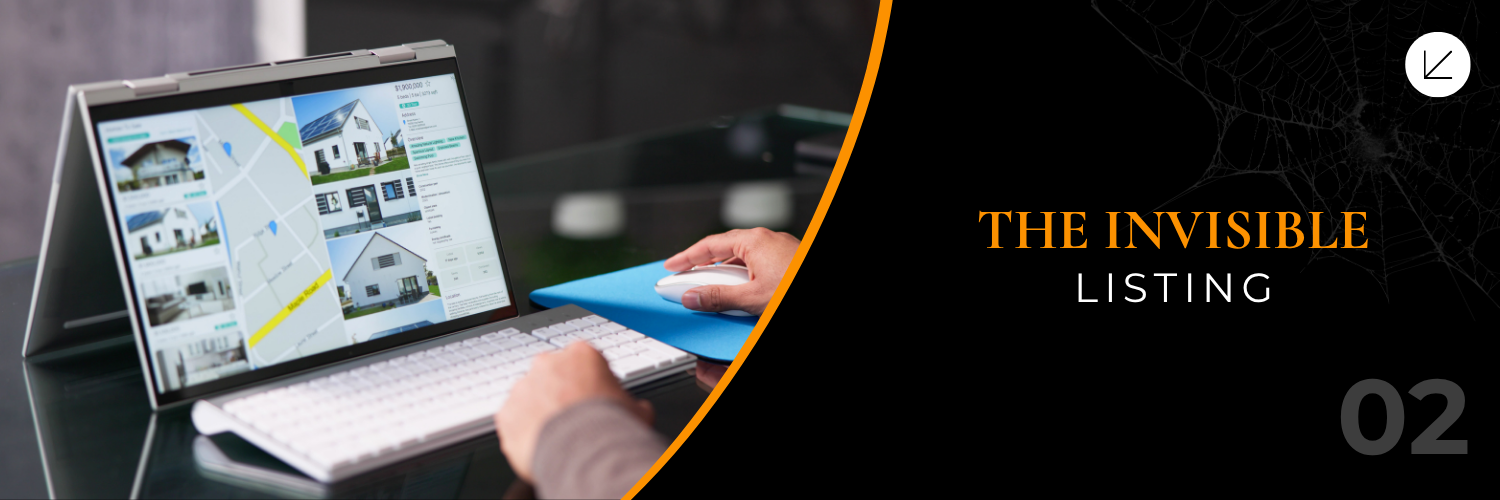
Most home buyers begin their search online, and price is one of the first filters they use. That means an overpriced home may not simply look expensive—it may disappear entirely from the search results of its ideal audience.
This matters even more during the early days of a listing, when your property is typically generating its greatest amount of attention. Buyer alerts, agent recommendations, saved searches, and new-listing notifications can create valuable momentum. Pricing within a realistic range helps ensure your home is visible to qualified buyers while that initial interest is strongest.
Even when a buyer agrees to the asking price, financing can introduce another consideration: the property's valuation. Many mortgage transactions involve an appraisal or another form of lender-approved valuation, although some eligible loans may qualify for an appraisal waiver.
Hypothetically, if your home goes under contract for $500,000 but receives an appraised value of $470,000, that $30,000 difference does not automatically mean the sale is over. However, it can create additional decisions for you and the buyer. Depending on the financing and purchase contract, both parties might need to renegotiate the price, the buyer might contribute more cash, or the transaction could be affected unless an agreement is reached.

If your overpriced property attracts little interest, you may eventually decide to reduce the asking price. While a price reduction by itself does not prove that you are desperate or that something is wrong with your home, buyers may notice the listing history and factor it into their negotiating strategy.
For example, you might initially list at $575,000 and later adjust it to $550,000 after receiving limited interest. That does not guarantee buyers will submit lower offers, but a longer market history combined with price reductions can influence how some buyers perceive your negotiating position. So make sure to start with a market-supported price to help reduce the risk of needing repeated adjustments later.

A new listing naturally carries a sense of urgency. Buyers may feel they need to schedule a showing quickly or make an offer before someone else does. As the days on market increase, however, that urgency can begin to fade.
A property that has been available for an extended period may start raising questions, even when nothing is actually wrong with the home. Buyers may assume previous shoppers discovered an issue or that you will be more open to negotiation. This is how an otherwise appealing property can develop the reputation of a “stale” listing simply because it entered the market at the wrong price.

Waiting for an unrealistic price can also cause you real financial strain over time. Every additional month of ownership can mean another mortgage payment, property tax bill, insurance premium, utility payment, HOA fee, or round of maintenance and landscaping expenses: things you might not have prepared for in advance.
Those carrying costs can gradually erase the additional profit you hoped to gain by pricing higher. In some cases, a reasonably priced home that attracts a strong offer quickly can produce a better financial outcome than an overpriced property that takes several months—and multiple reductions—to sell.
The Key To Proper Pricing: Getting Help From A Local Real Estate Agent
To avoid turning your home into a haunted listing, start with understanding what the market is actually willing to pay for your property. A local and knowledgeable real estate agent can help you when it comes to evaluating recent comparable sales, current competition, pending transactions, property condition, neighborhood demand, inventory levels, and broader market trends before recommending a pricing strategy.
And that does not mean automatically choosing a low asking price. The goal is to position your home to attract serious buyers while protecting your equity. Depending on the market, that could mean pricing close to comparable sales, positioning strategically within a popular search range, or accounting for unique features that add legitimate value.
Ultimately, the asking price should help your property compete—not scare buyers away. Starting with a realistic, market-supported strategy gives you a stronger opportunity to attract early interest, negotiate from a position of strength, and move toward closing without unnecessary delays.
The lesson here is simple: overpricing can turn your dream sale into a real estate nightmare. The only way to avoid that horror is to price your home strategically from the start. Do just that, and your listing won't end up being the ghost house of the neighborhood.